Creating Survey123, and the data for other ArcGIS Online usages

The previous article is a summary and comparison of choices

This part will explain what will be created and some usages, opinions

To start with Survey123, the clearance of Web-Survey and App-Survey is important

The two I would say is completely two different service with similar looks.

The web version will be created just in the browser, with various options

Playing in the layouts and questions, I will put on a thing I spent some time to figure out: add my Webmap as a geopoint basemap.

First create a group, share the map you want to use to this group

Go to Organisation/setting/Maps set the group to your group instead of ESRI standard

And then go back to the Survey123, it will be available!
In the other tabs of Survey123 I would say it’s really intuitive, if there’S any question, contact me!
———————————————————————————————————————–
And now the second part of this article will be about the Survey123 for ArcGIS app
It is created to set in phone, tablet apps.
the main issue for me is the basemap, which it used difference sources. others they are similar layout, but different base. 
The basemap can use a hosted tile layer, or create a tile package with ArcMap
save it in the folder of data, an then it can be uploaded, and the basemap is shown
and other more detailed editting can be set in the .info file
with phone app it could be downloaded within the app.
———————————————————————————————————————–
Once the Survey is editted in the app, the web browser can no longer edit it, can only view the analysis and data.
That is the reason I say the two method is two version of Survey123, app more similar to Collector app, while the web version is more like the google survey form.
———————————————————————————————————————–

now back to the content of AGOL, one folder is created with the name: Surve – _____(name of your survey)

contents are ___, ___-fieldworker, ____(type Form)

the form can be opened in the options:

And the feature layer and the fieldworker is linked in the Survey, but they can also be added to Webmaps, and contain different data.

————————————————————————————————————————
Webhook

Integromat
create one new scenrio, and log in AGOL, get the survey, then connect to the Gmail/ Outlook or whatever trigger

The content, reciever can use the info of the survey. here would mention one function: ifempty
I have a text field or number saying the road id, or description. choose one of the two.

One thing else, is Name, use the whole field instead of the First name, Last name. Or else the space in the text field will not be accepted in integromat

Microsoft Flow

sign in, create the flow, it is prettey intuitive also.

There are plenty more options, but for feature layer is still not available, I created a script for usage other than Survey123 using the arcgis API.
————————————————————————————————————————
The creation of Survey123 is quite easy, and the setting are not so customizable.

Geopoint in computer view is too small, comparing to Geoform having a full screen function.

Webhook is one of the most convenient function in AGOL, which is said to be applied to all Feature layer in the short future.

Using Smart Editor to create a survey form in ArcGIS Online

The previous article is a summary and comparison of the option in ArcGIS Online

This part will focus on the settings of the Smart Editor.

The online tutorials shown that some would require a standard license, but it is actually achievable with basic license, with the rest settings online.

The first step is to create the feature class to store the survey.

Simply use create new feature class, Smart Editor support point, line, and polygon.

To create a drop list by using domains, here won’t cover how to set a domain, but just a quick hint, database>properties.

To make one field is required, make Enable NULL Value option to no. There is one limitation, that it can only be set when creating a new field, and also the feature class can not have any objects. this can’t be changed after wards, also not changeable in ArcGIS Online

A placeholder can be set with default value, in my case I set:
I accept data protection to first none, they need to manually switch it to yes
and
in the comments column, set with max 1000 characters.

Creating more Feature classes with the same attribute is also easy, just use import when creating a feature class, all settings include default value, nullable will be imported.

After the feature layer is set, publish it as a service
the setting here is:
Feature Access but not Tiling.

To keep the data safe, allow only add new feature, no update or delete

After uploaded, it will be the settings in AGOL

one issue found is that attributes can still be seen in smart editor, so others name and email can’t be really hidden, we will have few extra steps to avoid it

the important settings here is
activate edit
allow only add features
Features not visible

then switch back to overview tab

I set three features: point, polyline. polygon with same attributes in this Feature. but the features are not available to the public. We want to show that there’s really opinions from others, but hiding the detailed comments, we need to create a hosted feature layer views. Pop-ups can be set in the newly created view layer, in the visualization tab.

then prepare the webmap, add the both view layer and feature layer, and all the other layers and settings preferred.

while the Webmap is set as your wish, now its time to create an app, with the Web AppBuilder

The design, map set as your preference, this part will skip to the Widget, check the layers you want at Editor, and in the description, html scripts can be put and shown

and in actions, attributes can be shown but not viewable, but not hidden but editable.

there can be more field-based action added.

Intersection: same as spatial join in ArcMap
Address and  Coordination are location systematic data
And preset can save the users some time, in our case is the Name & Email, when a user wants to submit multiple comments, it can be used. Another benefit for this function, is that it applies to all layers with the same field name, so all my three layers can share this benefit without showing multiple inputs.

Using the hide/required actions can be used to create relations between questions, for example: comment type is Others, then the Specify field can be made necessary

The attribute actions are set here

there are more editing in the Widget, this can set a template for the templates fields mentions. In our case Name and Email of course is different for all users, but other properties can be set here. And the description here is also available for html styling.

the eventual form can be view as here

So we got a formatted survey widget into our app, hooray!

Remember I mentioned about hosted view layer? if not created and added, either you won’t see any comments as an anonymous user, or you will be able to sneak onto others complete input data depends on your setting of the feature layer.

So that would be the method to create a survey for our Web App!
other articles covering Survey123, App-Templates will come out soon!

Methods to collect data from users in ArcGIS Online: Survey123, Geoform, Crowd-source reporter app, and Smart Editor

The background of this task is to collect comments from the residents about our planning.

And the final result will be about Survey123, Geoform, Crowd-source reporter app, and smart editor.

In our system we provide a list of features as basemap and information, combining with our analysis and planning, deployed as an ArcGIS Webmap, and serve to the citizens.

The original system before is that ObjectID is shown on the map as Labels, and the citizens will type in their name, email, road ID and their comments. Then the server will send this email to our company mailbox, and our staff will collect them into one excel file.

road ID on map

The comment questionnaire is embed in the portal

The potential loss of data lies there, for typo in the road ID/ email address, or server-side failure causes. And also, one person copying emails to an excel file is simply too much manual effort.

Looking into options of data collection in ArcGIS online, the first thing came out is the Report Feature widget. (It’s called Feature-Feedback in the German version, therefore created some misunderstanding)

In the description says that it can Review Feature (add/delete/move/reshape), and then put on notes for severity. Unfortunately our license is not available to test this widget.

This is NOT the function we need, this will allow users to get a more detailed report of the features in the the map, but not giving back to the provider, which is us. a video here show how it is:

And later the real available functions found are the Survey123, Geoform, Crowd-source reporter app, and Smart Editor, in this article will be a summary and comparison. The settings will be in later articles.

In the description of ESRI says that it is a form centric solution, working even offline and on various platforms and languages.
The benefit of this is that it is really easy to create, setting-free when using website version, can be deployed very fast.
The built-in columns for Survey123
The second great part about it is the Data panel, it will show all the data, even showing word clouds of the replies.
The third benefit is the Webhook function, it can be set connecting to servers like Integromat, Microsoft Flow, and send back replies automatically with the desired form.
but the limitations of the Survey123 which eventually made us give up on it, lies in the geopoint function.
As we already use sophisticated Webmaps for the citizens, we need to apply it to our new features also, but the basemap can only be viewed without legends and pop-ups, and the size can’t be set to full screen. (Setting of the basemap using customized Webmap will be explained in further articles)
And while testing, the confusion also lies in Web-mode and App-mode. The App mode can be more customized into a JSON level. But it requires a downloading the software Survey123 for ArcGIS(and somehow my company anti-virus says its not trusted). Once a Suvey is edited in App-mode, it can’t be edit in Web-mode anymore. And eventhough it can accept self upload tiles from ArcMap as basemap, it can online be shown on other apps in the Survey123 app in android or IOS, not in web.
This I would say it is still more a ArcGIS-collector-like function in this time, can’t be really customized so much, but the convenience and the tidiness is great.
this is an App-template for ArcGIS Online, mostly same to the Survey123 format, but less dedicated questionnar, the format like E-mail/ Stars/Signatures are not there, and no Webhook is connected.
The good part about using Geoform is that the geopoint function can be full-screened. And the View submittion can view the Complete Webmap information.
The tidiness and cross-platform/ language is still an appealing function, but the eventual reason let us gave it up is the pop-up. In this template, pop-ups can only set on the submitted survey points.
We have a function to show street view pictures in the pop-up. As this is the main feature of our service, we can’t give it up.
I view Geoform as a more developed background for Survey123, once Survey123 added the view submit and full screen function, Geoform is out-dated.
comparing to the previous two, this is a more sophisticated app-template. The users will require a little more knowledge and ability for GIS.
As the main function of this app is ‘crowdsource’, therefore, collecting data is basic.
The features worth mentioning is:
Synchronized geopoint: the point pointed on map is automatically pinned when geopoint opened.
Like/Comment: it took a twitter-like form to create a more interactive frontend
Pop-up edit: all the form in crowd source reporter is used in pop up, therefore it is easy configure.
Log-in: the users can log in through ArcGIS account and other social medias
This template shown a professional look, and also more editable features.
What eventually not accepted is because it can’t add the compare widget, which the chef preffered really A LOT, and the survey form took out too much space.
comparing to the templates, this is only a widget, so called back to basic.
The functions of this widget includes more setting adjustments. With the correct adjustments, it is the final decision for our usage.
And the Webhook funciton is also not included, but with arcgis python API, I set an interval of 30 mins and login, get the newly filled data, and send formated email reply.
The settings will be written in later articles. In here would be a sneak peek: Auto fill in intersect attribute, preset.
Conclusion
ESRI provides various services for users, coding and none-coding. The complicity is to find the real way to apply the usages, though ESRI provides detailed documentaion.
the comparison of usage is as this table

Type
Functionality
Complicity
Customize
Survey123
Service Form(Web or App)
Webhook + Analysis
Low
Low
Geoform
App-Template
View Submission
Low
Low
Crowsource
App-Template
Log in 
High
Mid
Smart-Editor
Widget
More interactive attribute
Middle
High

the App-template can be downloaded from Github and edit, then deploy on ArcGIS Online or other server, but I’m not a Javascript programmer, so this is not included in this article.
And also when Javascript ability is available, there is a more preferred library called Leaflet this provide provide the most customization abilty, but also require high JavaScript abilty. 
ESRI products in my opinion is offering an easier way for non-programmers to still achieve the goal, either for spatial analysis or interactive webmap visualization. It may not be so as imagined, but can usually create similar output, it may not be as efficient as writing scripts, but it provides the platform.
As an user of Arcmap for more than 10 years, theres benefit and also more to improve. Learning python advanced my skill and more possibilty, but still ArcGIS provides great service.

RealSense 學習筆記/教學/分享(五):用新的相機程式碼解釋Multiproccesing

之前完成的相機程式跟Arcmap plugin都做好之後,就正式投入使用啦

不過中間也是經過幾般波折,出去測試半天之後,還在調整

然後說想要再測試,結果直接被派了一個三天兩夜…

完全傻眼的結果,於是就在車上邊調整程式碼

然後呢,當我弄到夠自動化可以司機自己去時,我發現我沒有電腦了,因為被帶走了

於是公司又給了我一台,可是呢,果然,又是一個2014年的基本款文書機

4GB ram,HDD,唯一可以的大概就…i5 這樣

繼續閱讀 “RealSense 學習筆記/教學/分享(五):用新的相機程式碼解釋Multiproccesing"

RealSense 學習筆記/教學/分享(三):幀的控制

前面那篇在機器的控制端準備好了之後,接收到的資料要怎麼處理呢?

就讓我在這篇裡面介紹

主要本篇在於視覺化 用opencv為主

適用的範例是這個:
https://github.com/soarwing52/RealsensePython/blob/master/phase%201/read_bag.py

在上一篇的設定好了之後,就用可以看第一篇裡面的表格

poll_for_frames()
回傳配對好的畫面,沒有配對就回傳Null
只要加上
if not depth_frame or not color_frame:
continue
即可在Null時避免接下來的錯誤
wait_for_frames()
他會獲取一幀之後暫停串流,然後直到獲取下一幀
不過我使用結果之後,在深度跟RGB影像配對上出了問題
他會取上一幀跟下一幀 不過我每幀都隔10秒不能用
try_wait_for_frames
這個應該就是在wait_for_frames上面再多加一個等待的秒數
沒有實測過

基本上如果在讀檔的時候就會讀到重覆的幀
第一次第二次黃色 然後藍色 綠色 紅色這樣取
在當影片的時候完全沒問題,不過我當作相機的時候就不能這樣了
而且當我測量的時候,畫面A但是深度B對不起來根本量到的東西不一樣阿!
我是把深度跟畫面疊在一起,還有取到雙方的秒數來配對後發現的

timestamp
Frame number
Fream number
timestamp
402204.595
Depth243
Color 274
402204.221
403104.714
Depth 270
Color 301
403104.941
404171.521
Depth 302
Color306
403271.741
406038.434
Depth359
Color333
404172.461
407305.267
Depth 397
Color 389
406040.621
407338.605
Depth398
Color 427
407308.301
408038.697
Depth419
Color 449
408042.221
409238.855
Depth 455
Color 485
409243.181
409938.947
Depth476
Color 506
409943.741
410705.715
Depth 499
Color 529
410711.021

不過,先回到基本的視覺化處理
雖然彩色深度都用1280*720,還是會有些微不同,兩個鏡頭的畫面大小不太一樣,更何況彩色可以到1920*1080
所以要先把圖對在一起
在github討論串有人問為甚麼不自動對齊,主要原因由專案負責人Dordinic回答了
在做2D畫面的時候是把深度疊進彩色
但是在做3D模型 point cloud的時候就要把彩色疊到深度上面
所以交給使用者來決定(尤其這是一個開發者導向的產品)
下圖為把兩個疊合在一起的畫面 深度1280*720 RGB1980*1080

align_to = rs.stream.color # or also depth
align = rs.align(align_to)
然後在while loop裡面
frames = pipeline.wait_for_frames()
aligned_frames = align.process(frames)
於是這樣幾行就可以疊出正確的圖作為接下來運算的標準
記得要在前面enable stream
獲取資料後,把他們轉成物件object
depth_frame = frame.get_depth_frame() 
color_frame = frame.get_color_frame()
有一個 rs.composite_frames()
我還不知道怎麼用
還有看到用 get_data().first_depth_sensor()
不同的方法,不過暫時我不需要所以就沒有深入也沒辦法深入了

濾鏡Fileters
接下來就是之前在第一篇裡面提到的 post-processing
官方說明文件在這裡:

https://github.com/IntelRealSense/librealsense/blob/master/doc/post-processing-filters.md

對我最重要的是hole filling 把整個畫面都有數值
不過其實做到現在反而我都還沒有放,等到實地測量的資料更多再視情況
因為官方說這是一個很粗暴的填滿,反而會失準
總之,選項就跟viewer裡面看的到的一樣

dec = rs.decimation_filter(1)
to_dasparity = rs.disparity_transform(True)
dasparity_to = rs.disparity_transform(False)
spat = rs.spatial_filter()
spat.set_option(RS2_OPTION_HOLES_FILL, 5)
hole = rs.hole_filling_filter(2)
temp = rs.temporal_filter()

先在loop前定義好濾鏡
然後在裡面套用

depth = dec.process(depth_frame)
depth_dis = to_dasparity.process(depth)
depth_spat = spat.process(depth_dis)
depth_temp = temp.process(depth_spat)
depth_hole = hole.process(depth_temp)
depth_final = dasparity_to.process(depth_hole)

我的來源是這裡:
這是拿到相機後整整五個工作天我才逐漸掌握了怎麼轉譯從C++到python
開始把這個範例作為接下來開發的基底

接下來我的程式碼裡面就是一些幀的資料
var = rs.frame.get_frame_number(color_frame)
print ‘frame number: ‘+ str(var)
time_stamp = rs.frame.get_timestamp(color_frame)
time = datetime.now()
print ‘timestamp: ‘ + str(time_stamp)
domain = rs.frame.get_frame_timestamp_domain(color_frame)
print domain
meta = rs.frame.get_data(color_frame)
print ‘metadata: ‘ + str(meta)

視覺化
在python裡面的套件,適合用的就是opencv,在官方也是用這個

當然還有rosbag跟其他matlab等等,我主要用opencv後來用matplotlib作為尺規做圖
所以 前面提過 pip install opencv-python
然後import cv2
color_cvt = cv2.cvtColor(color_image,cv2.COLOR_RGB2BGR)    #convert color to correct
cv2.namedWindow(“Color Stream", cv2.WINDOW_AUTOSIZE)
cv2.imshow(“Color Stream",color_image)
cv2.imshow(“Depth Stream", depth_color_image)
    key = cv2.waitKey(1)
    # if pressed escape exit program
    if key == 27:
        cv2.destroyAllWindows()
        Break

我先前提過 BGR是opencv預設的打開模式,所以我錄製rgb要轉成bgr
然後設定視窗
waitKey是每個畫面幾毫秒
然後按esc的時候關閉
matplotlib更簡單

from matplotlib import pyplot as plt
plt.imshow(img)
plt.show()

這樣就可以顯示出圖片了
到這裡之後就可以看到畫面了
要做成影片就是範例裡面的
try:
  while True:
然後用wait for frames就可以拿到資料
然後再用opencv 每毫秒更新就是影片了
不過其實stream在跑的時候 不論有沒有wait for frame他都一直在傳資料了
這就是我這個專案的基礎了,接下來就可以開始計算3D距離了

RealSense 學習筆記/教學/分享(二):裝置控制

有些人問我 明明工作看起來也不錯 薪水 環境都不錯 為什麼我還在找?

先看看以下影片

這是去年的發表,當辦公室仍在用2000或是更久以前的方法 花許多時間/人力/眼力的同時

這樣的算法已經準備隨時取代掉這些工作了

你說我會不會怕? 當然會,所以要找能夠更未來性的工作 而不是在這樣養老的小鎮 已暫時的安穩而滿足,必須更向前啊!

繼續閱讀 “RealSense 學習筆記/教學/分享(二):裝置控制"

RealSense learning/turtorial/sharing blog – Chapter Two: More Device Adjustments

So, after the hello world, more controls over the device.

So the pipeline is basically start/stop, and wait_for_frames

And the function of pipeline_profile I haven’t know yet

in this part I will put in the controls before wait_for_frames,

including record file, read file, and others
First, complete the configuration:

Rs.config


enable_stream
Define the stream type and also width/height…
enable_all_streams
Turn on all streams at once
enable_device
Input “serial”
enable_device_from_file
(“filename”,True/False) for repeat_playback or not, either once to the end, or keep looping
enable_record_to_file
(“filename.bag”)
disable_stream
(“stream”,”index”)
disable_all_streams
resolve
can_resolve

the enable stream is mentions before,

config.enable_stream(rs.stream.depth, 640, 360, rs.format.z16, 30)

config.enable_stream(rs.stream.color, 640, 480, rs.format.bgr8, 30)

The options can be found in the Intel Realsense Viewer, color,depth,infrared, resolution, mode, fps.
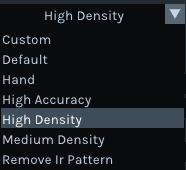
and the  rest is more related when multiple devices were used
config.enable_record_to_file(file_name)
config.enable_from_device(filename)

these are when recording or reading
enable from device have the option True/False
allow replay or just loop once through all the frame and end
If False, it will be the Runtimeerror of “no frames arrived in 5000″
thats why I had the except in the try loop
——————————————————————————————————————–
device = profile.get_device()

depth_sensor = device.first_depth_sensor()

depth_sensor.set_option(rs.option.visual_preset, 4)

dev_range = depth_sensor.get_option_range(rs.option.visual_preset)

preset_name = depth_sensor.get_option_value_description(rs.option.visual_preset, 4)

https://github.com/IntelRealSense/librealsense/wiki/D400-Series-Visual-Presets#related-discussion

This part is setting the preset as in the Realsense Viewer, and in my need is the preset 4, high density.

The dorodnic of intel he wrote on loop to loop through the presets.


which he mentioned the preset numbers are changing all the time, I suppose its among other devices, at least in this same machine it stays

recorder = device.as_recorder()
pause = rs.recorder.pause(recorder)
playback = device.as_playback()
playback.set_real_time(False)
playback.pause()
playback.resume()

Recorder will start recording when in the configuration set,with function or .pause() and .resume()

And the next is playback

This is playing the recorded bag file


pause
Pause and resume, while resume it always turn really slow and lag, until it catch up with the frames
resume
file_name
I haven’t use these functions
get_position
get_duration
is_real_time
Set to the real time behavior as recorded time
set_real_time
Usually I set to set_real_time(False) so I can go through each frame to measure, or else the pipeline will keep the frames looping as real time behavior when its (True)
config.enable_record_to_file(file_name)
So I suppose it can open one bag and record this playback to a new file, while
rs.config.enable_device_from_file(config, ‘123.bag’)
Does Not enable the same time
config.enable_record_to_file(file_name)
current_status


Intrinsic/Extrinsic

depth_stream = profile.get_stream(rs.stream.depth)
inst = rs.video_stream_profile.intrinsics
#get intrinsics of the frames
depth_intrin = depth_frame.profile.as_video_stream_profile().intrinsics
color_intrin = color_frame.profile.as_video_stream_profile().intrinsics
depth_to_color_extrin = depth_frame.profile.get_extrinsics_to(color_frame.profile)

These are getting some data of the camera and streams, i use intrinsic to get the calibration while projecting pixels to 3D coordinations

Otherwise I have no other use for them yet, as I go through the files the usage would be more in 3D models also, while creating by scanning, the accuracy is a lot more important in smaller scales

——————————————————————————————————————
So this part is without example codes because it’s a more general usage for all files
which will be used in most further codes I will be demonstrating.
and I just got the use of turn off auto exposure today, will put it in in the future
the usage of turning it off is for not drop frames.
this is also one of my major issues 
I need to make it act as a camera, and every frame I took should be reachable
but the wait_for_frame is currently not giving me all the frames, and also not recording or recorded too much
if any pros saw this, please write in the comments or send me an email about this topic.
thank you!

RealSense 學習筆記/教學/分享 (一):Hello World

當然 所有程式的開始都是 Hello World

這個也不例外

第一個功能,就是開啟相機,然後偵測畫面中央的深度距離相機多遠

我的成果如下:

https://github.com/soarwing52/RealsensePython/blob/master/phase%201/Hello%20World.py
—————————————————————-

繼續閱讀 “RealSense 學習筆記/教學/分享 (一):Hello World"

RealSense 學習筆記/教學/分享-序篇:開始與安裝

因為工作的關係,老闆決定買了Intel D435的深度相機

然後就叫我做出他們未來可以測量照片裡面物體的大小

大概就是萊卡他們的產品那樣

我們公司做的是道路資料蒐集road survey

現在能看到的主要都是F200 跟一些比較舊的教學文,新一代D400 系列的比較少

所以就想來教學相長一下,希望看到這篇也能夠跟我一起交流
——————————————————————————————————
求助區
目前我卡關的有
rs.syncer
playback.seek
poll_for_frames
如果有看到的可以指導一下就拜託了!
——————————————————————————————————-

D400系列

我比較了D415/D435 基本上大同小異的深度相機,不過435有比較廣的視角

所以在我們的需求上選用的他

Rolling shutte/Global shutter是另外主要的差異

不過在我們的使用上是沒有影響的
——————————————————————————————————-
首先就是基礎安裝啦

開發者套件(SDK)

這款相機主要定位是給開發者/教學/研究用途,算是把未完成的產品拿出來賣然後由使用者開發?
不過畢竟是intel 這產品主要也是賣晶片 以供未來普及在筆電/汽車/遊戲機等

安裝完之後 打開viewer會說需要升級韌體

一樣按照連結,打開之後是個簡單的command line

先在2確定可以升級的裝置之後會到1,輸入完整連結即可

安裝完成之後裡面含有:
Intel® RealSense™ viewer:可以直接顯示RGB/深度 2D/3D影像 並且可以錄製
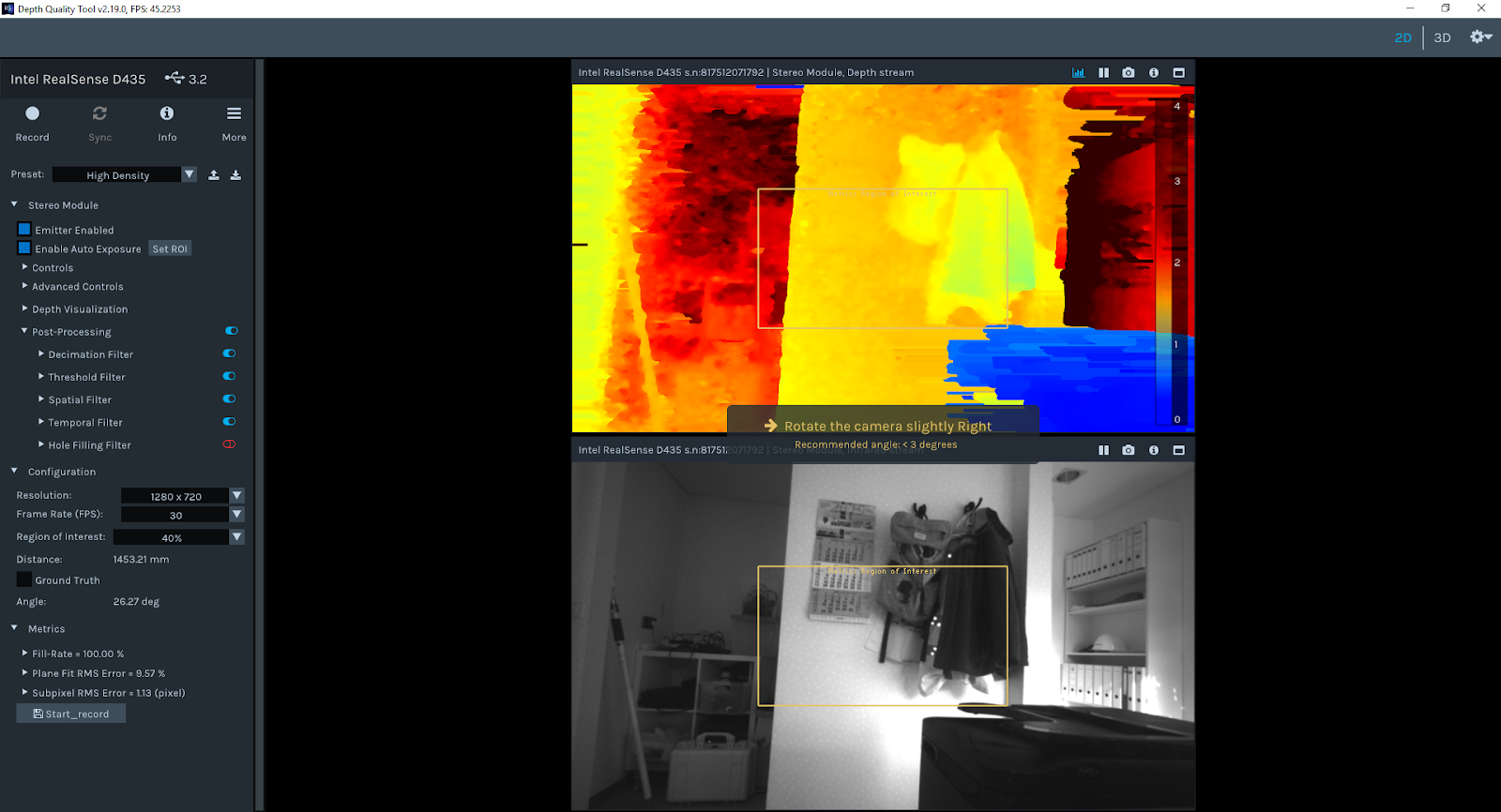
Depth quality tool:檢視深度影像
Debug tools:裝置的校正回報時候會用到的套件
Code samples:最一開始學習時候,就是這個Visual Studio示範開始的
Wrappers:支援C++以外的 C、Python、Node.js API、ROS、LabVIEW語言套件

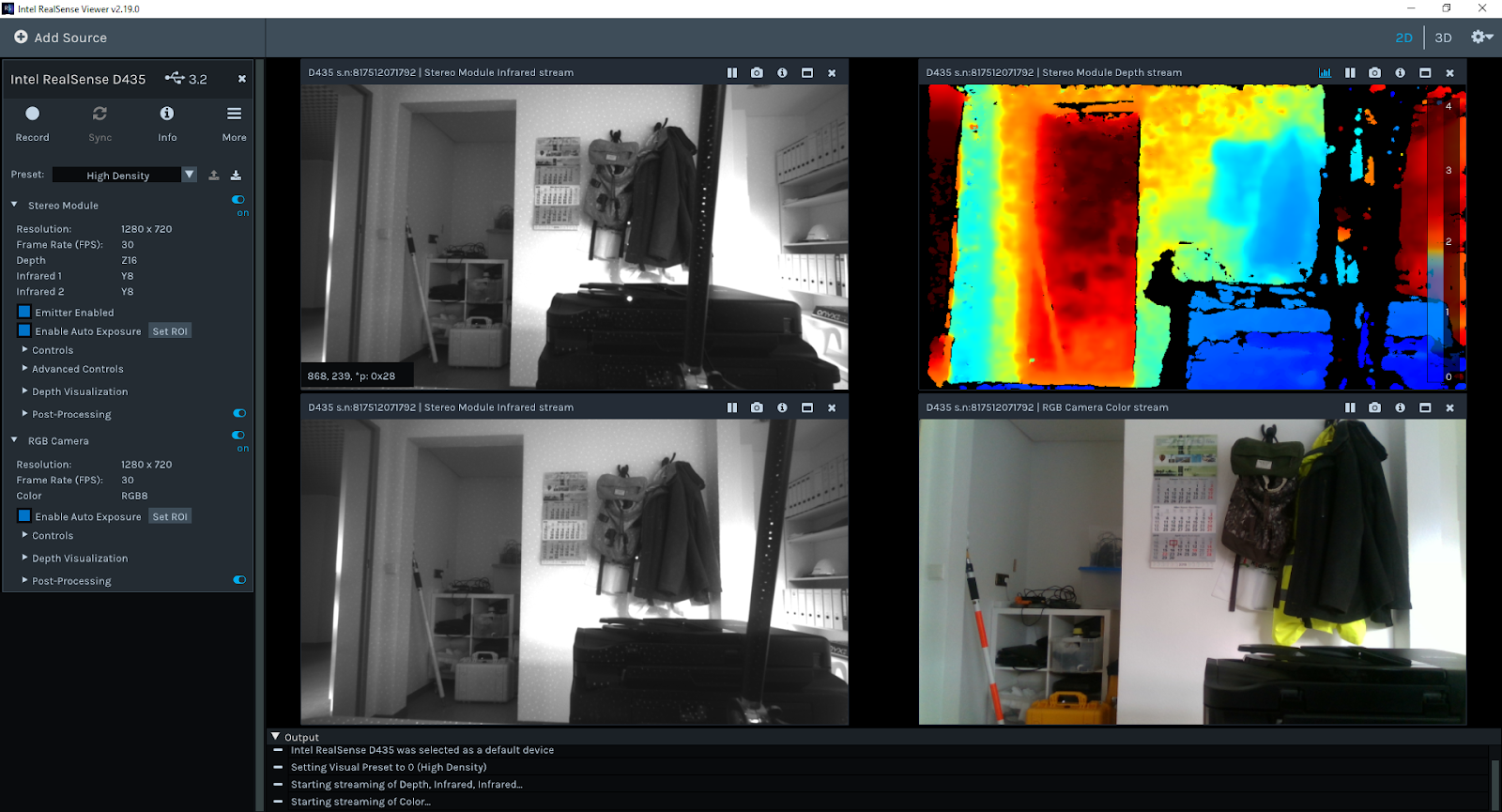
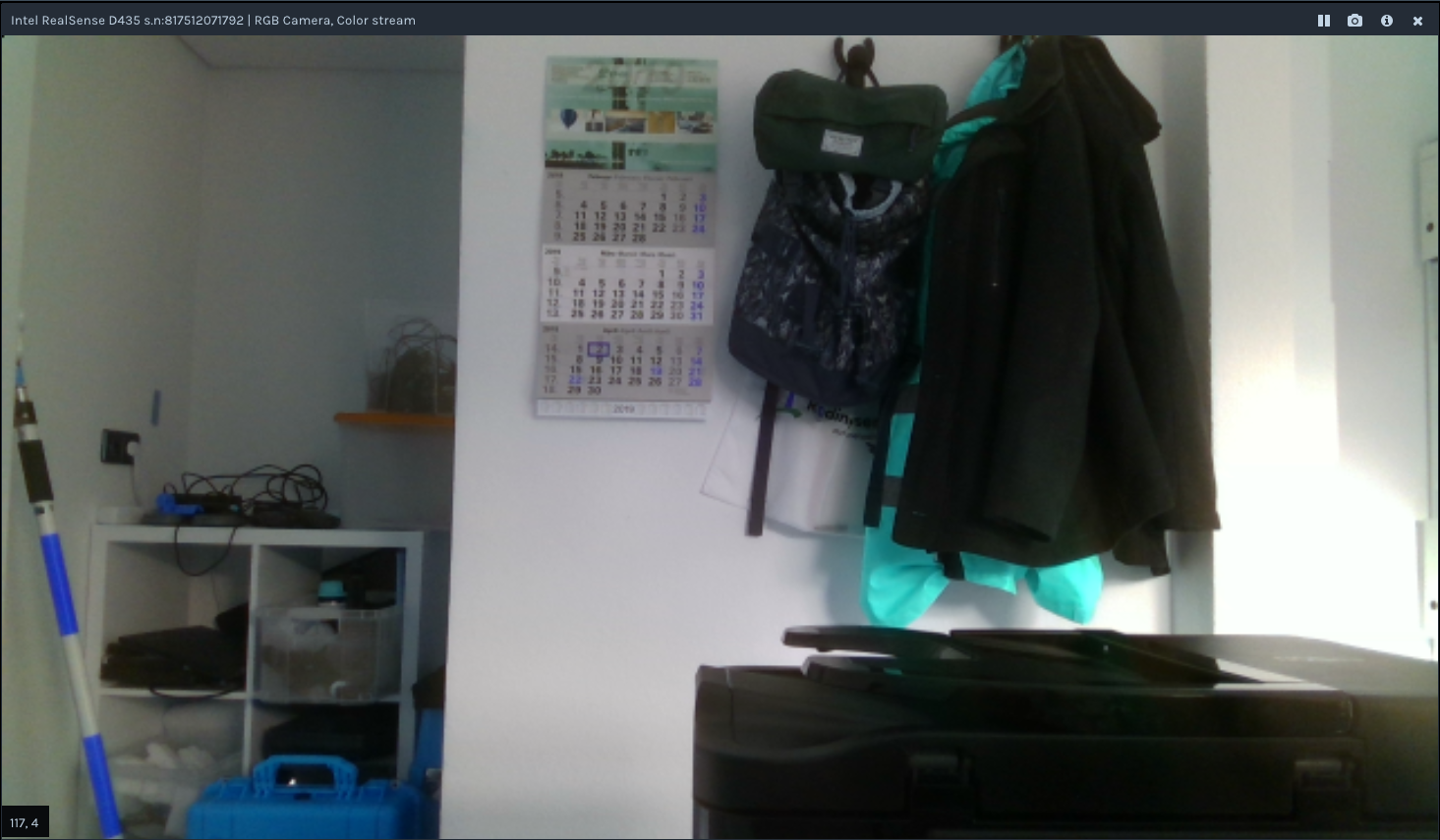
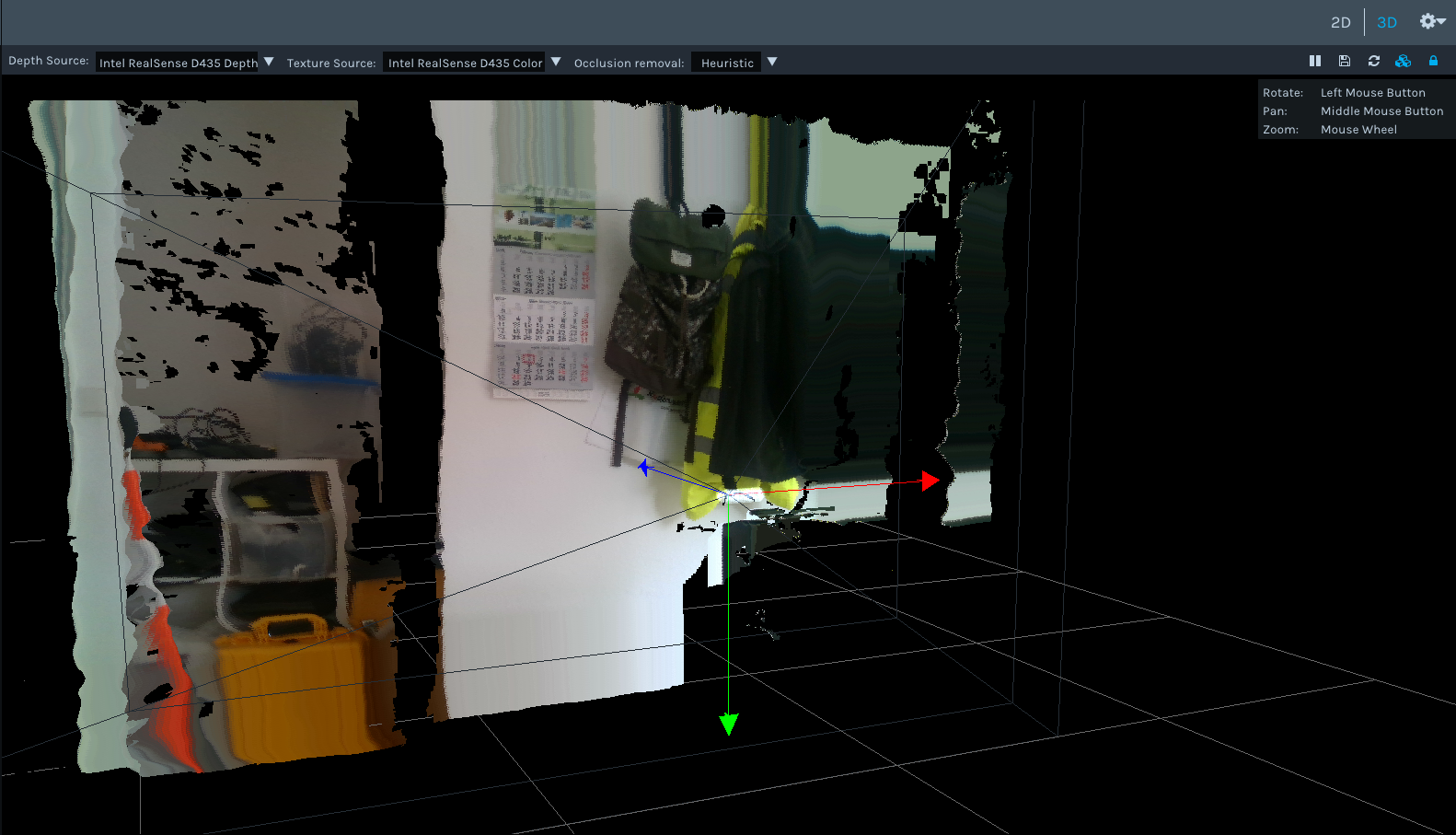
打開之後開啟所有的stream 影像 可以看到紅外線IR 可見光RGB 跟深度 depth

RGB相機的設定值有:

有灰階:

RGB

 BGR

深度相機

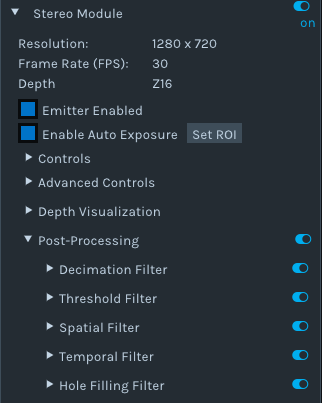
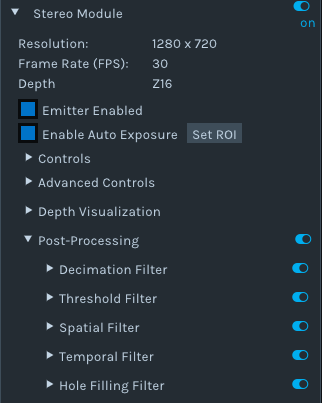
主要就是設定 preset還有後製post-processing

hole filling是我在這次主要會用到的功能

前後比較

除了這個 還有3D模式

一個角度當然不夠,是在做pointcloud 3D模型的時候用的

然後depth viewer我用起來 就像是只用深度的部分

其他功能看起來都一樣 就是沒有RGB

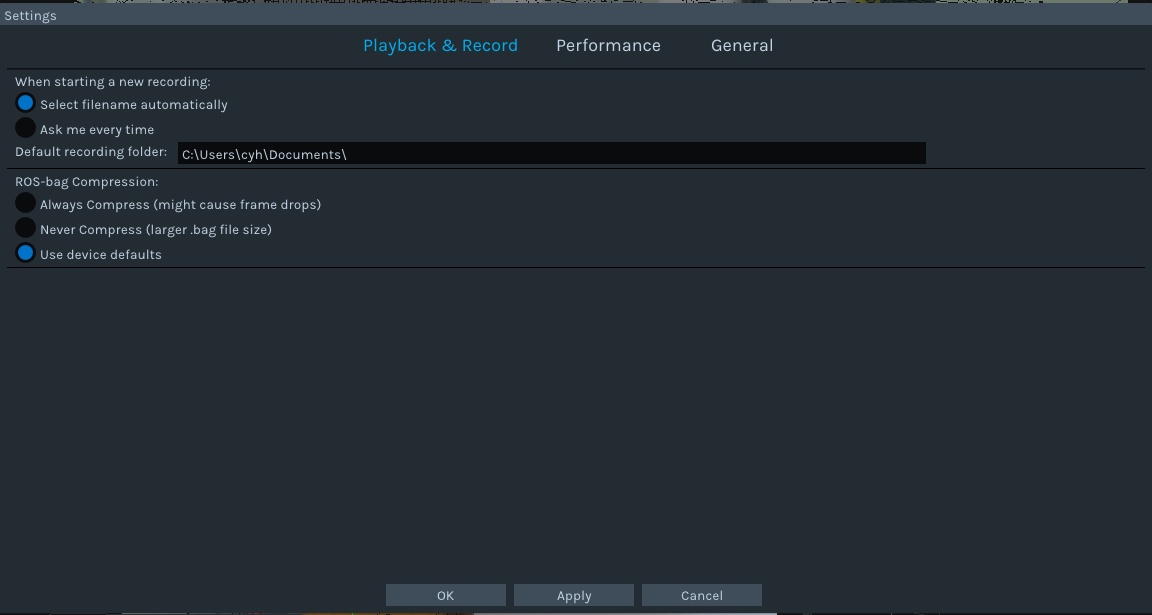
最後 錄製的成果可以選擇儲存在哪裡

————————————————————————————————————————
比較重要的幾個使用須知:
一定!一定一定!!!!!! 要使用USB3.0的接孔,才有足夠的頻寬可以把相機的影像傳到電腦裡面

相機本身就是一個感測器 除了鏡頭接收之外,還有小部分的硬體同步與修正,其他都回傳到電腦裡面做處理

因此,在線材的選用也必須要找usb typeC 然後也是3.1的USB線才可以用,也有一些因為太長而導致了資料傳輸失敗
最常出現的就是frame drop 當頻寬不足的時候 30fps錄下來的可能會有許多幀數遺失

還有一個我看到的問題,就是快速抽差

在使用的時候如果把線慢慢滑進去,可能就會偵測為USB2.0 所以務必一鼓作氣 直搗黃蓉

———————————————————————————————————————–
序就寫了開始的一些步驟 還沒開始到程式碼的部分

基本上安裝沒什麼問題,唯一在公司就是因為管理員權限鎖住,所以一路請主管過來輸入

直到韌體升級已經花了半天,從早上十點到下午兩點了

後來我問能不能調整權限,於是獲得了"新的"工作用電腦

ram 4G 2014年的lenovo電腦 沒有SSD

說這台完全沒有任何權限問題 你就拿去用吧!